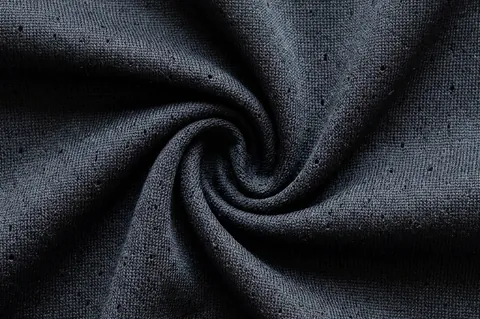
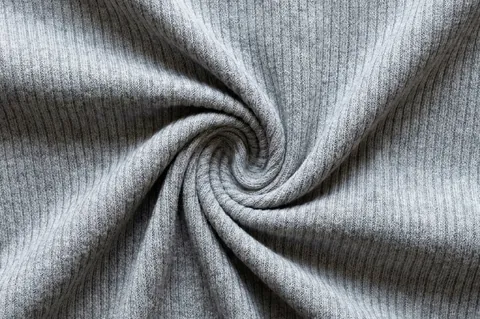
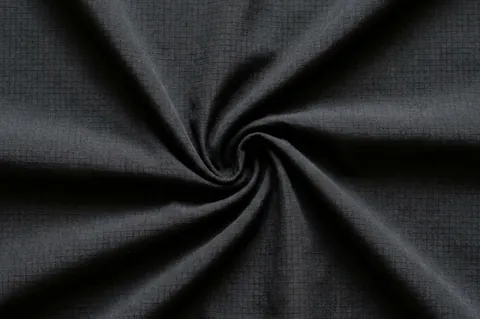
Micro-mesh
Fine holes for airflow with a smooth face for print.
- Fiber
- Polyester or recycled polyester
- Used for
- Game jerseys, shorts, reversibles
- Decoration
- Sublimation, HTV, screen print
Fabrics · stock or developed to your spec
Choose the activewear fabric for each style from 22 knit, woven and bonded options, or have one developed to your weight, fiber and color. Catalog prices cover each style's listed fabric; a change or new fabric is quoted per style.
We work from 180 to 400 gsm in poly/cotton, cotton/spandex and poly/spandex blends, plus 100% polyester knits. Knitting and dyeing run at our partner mills to your spec. Everything else, from pattern making and cutting to sewing and packing, happens in our own factory.
22 fabrics · F-01 to F-22
Filter by construction, weight band or sublimation. Quote the F-code in your enquiry and we price the style in that fabric.
22 fabrics shown. Weights are typical ranges, confirmed for your order.
Fine holes for airflow with a smooth face for print.
Very breathable; often used as side and underarm panels.
Dazzle has the traditional shiny face.
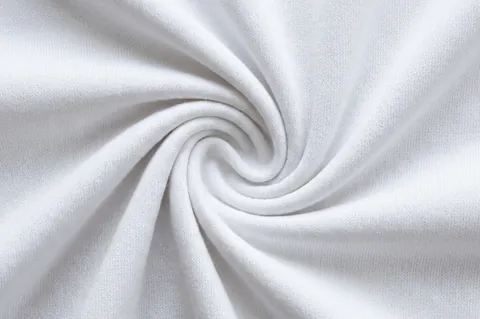
Smooth and opaque, the sharpest sublimation surface.
Textured honeycomb face.
Sublimation needs a high-polyester version.
Holds its shape and stands up to sliding.
Lighter air knit for practice; heavier game knit takes twill well.
Built to resist grabbing and tearing.
Check opacity when stretched.
Shape retention matters more than weight.
Can be made in your stripe colors.
Warm and soft; brushed faces can pill.
Lighter than fleece and pills less.
Structured, smooth and cushioned.
Smooth sheen; brushed-back versions for warmth.
Wind and water resistant; heat can damage the membrane.
Grid yarns stop small tears from spreading.
Matte and soft; usually coated and water-repellent.
Light and quiet.
Often quilted for warmth.
Available in most polyester constructions.
We work from 180 to 400 gsm across poly/cotton, cotton/spandex and poly/spandex blends. The 100% polyester knits on the cards above sit alongside that range, including the lighter mesh and interlock builds used for game jerseys. Give us the weight and blend you need and we confirm it against your style before sampling.
Micro-mesh (130–170 gsm), bird-eye mesh (120–180 gsm) and pro mesh or dazzle (140–200 gsm) carry most basketball, football, lacrosse and flag football game wear. All three are polyester, so all three sublimate. Bird-eye is the most open and works well as side and underarm vent panels, while dazzle keeps the shiny face buyers expect on classic football and basketball jerseys.
Open mesh shows skin through light colors. If a white or pale jersey needs to stay opaque, ask for a closed knit on the front and back panels where numbers sit, with mesh only in the vent zones.
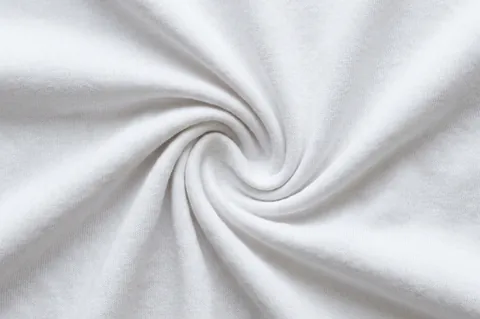
Micro interlock (140–200 gsm) is the smoothest and most opaque knit we offer, and it gives the sharpest sublimation detail. That is why soccer, volleyball and esports jerseys are built on it. Single jersey (120–200 gsm) comes in polyester, cotton, CVC or tri-blend for tees, fanwear and warm-up tops. A moisture-wicking and quick-dry finish can be added to either.
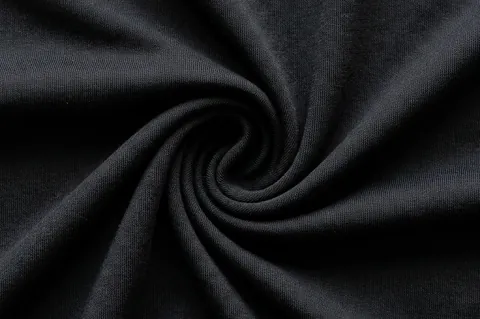
For base layers, compression shorts and volleyball shorts, poly-spandex (180–320 gsm, 4-way stretch) is the standard. Check it stretched before you approve a light color, since thin builds can turn see-through.
Pro double knit (200–260 gsm) holds its shape on baseball and softball jerseys and pants and stands up to sliding. Brushed fleece (280–400 gsm) and French terry (220–320 gsm) cover hoodies, sweatshirts and joggers; terry is lighter and pills less. For outerwear, tricot suits track jackets, taslan and satin suit dugout and stadium jackets, ripstop suits wind and rain shells, and bonded softshell (280–340 gsm) suits coach jackets. New to fabric weights? Our fabric GSM guide explains what the numbers mean on a finished garment.
Dye sublimation needs a light, high-polyester base, so it works on mesh, interlock, poly-spandex and polyester fleece but not on cotton-rich jersey. Cotton-rich fabrics take screen printing, DTF and embroidery instead. Tackle twill needs a stable base such as double knit or hockey game knit and is too heavy for lightweight mesh. Softshell membranes can be damaged by heat, so jackets usually get embroidery or transfers. Each fabric card above lists the methods it takes, and the full list of garment decoration methods covers the limits of each one.
Worth knowing: weights on this page are typical ranges. The exact gsm, composition and shade are confirmed for your order, and dye lots can vary slightly between a first order and a reorder.

Finishes
Add a finish to most fabrics. Performance claims on labels need a test report, which we can arrange.
Moves sweat to the surface so it evaporates faster.
Finishes that slow the bacteria that cause odor in training wear.
For outdoor sports such as baseball, softball and soccer; claims need a test report.
Beads light rain on jackets and shells without fluorinated chemistry.
Yarns and finishes that feel cool against the skin.
Reduces fuzz balls on fleece and brushed fabrics.
A softer hand on tricot, fleece and microfiber.
Need something we don't stock?
Tell us the weight, composition, knit, hand feel, color and finish, or send a reference fabric. Our partner mills knit and dye it; we research the build with them and come back with options before sampling. Custom knit patterns, yarn-dyed stripes and color matching to PMS references are all possible.
Fabric is one stage of a custom uniform manufacturer order: once the fabric is approved, pattern, cutting, decoration and sewing run in our own factory. Swatch books and color books are available if you want to feel the options first.
Next step · trade buyers only
Tell us the styles and quantities you need in a short message. Your account manager replies with prices for your styles and decoration, and a shipping quote.